St. Vincent
Volcanic peaks, Mount La Soufrière, historic Kingstown markets, Layou petroglyph park, and the oldest botanical gardens in the Americas.
This page is demonstration content only. All names, quotes, figures, and event details below are fictional.
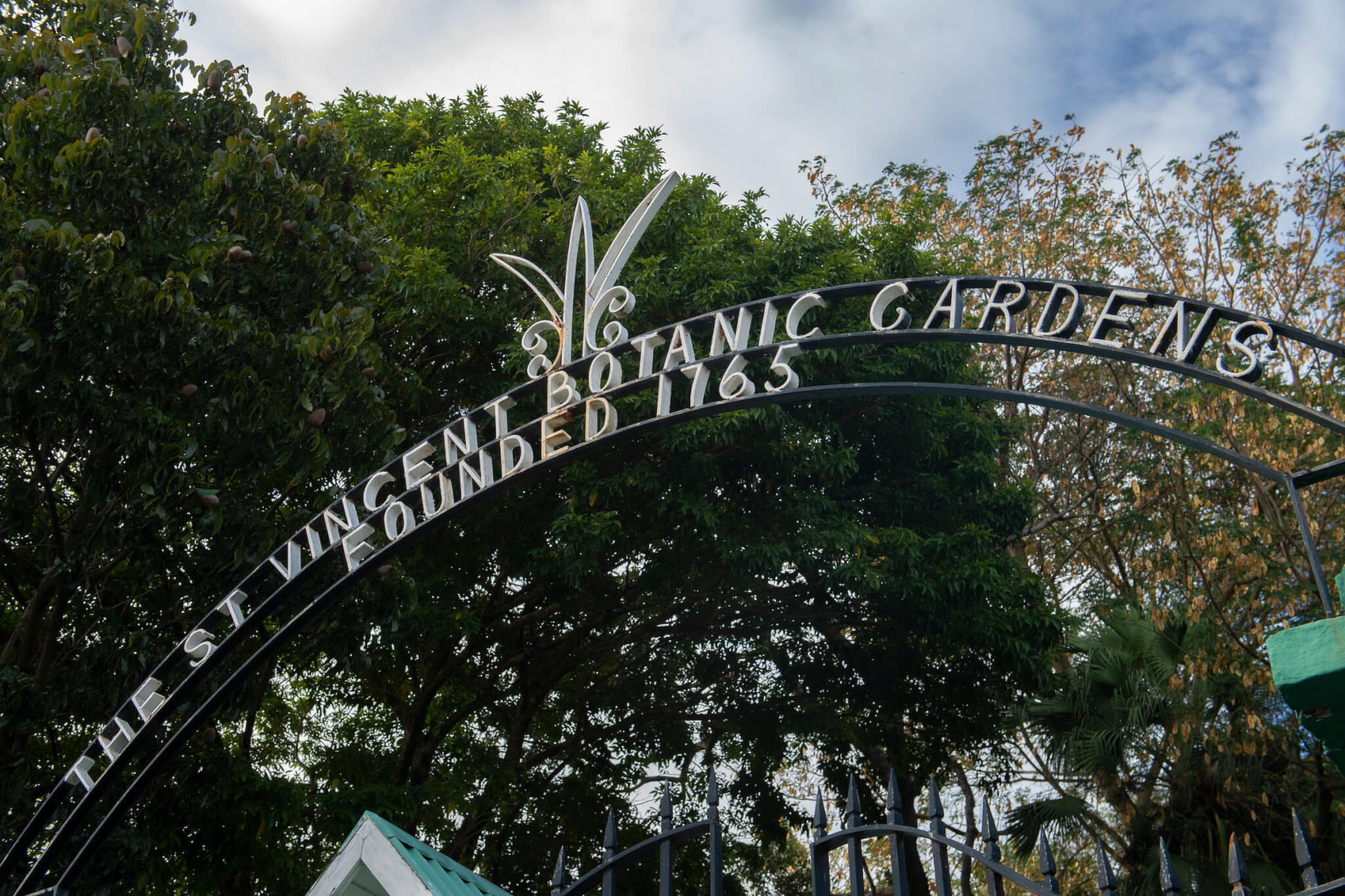
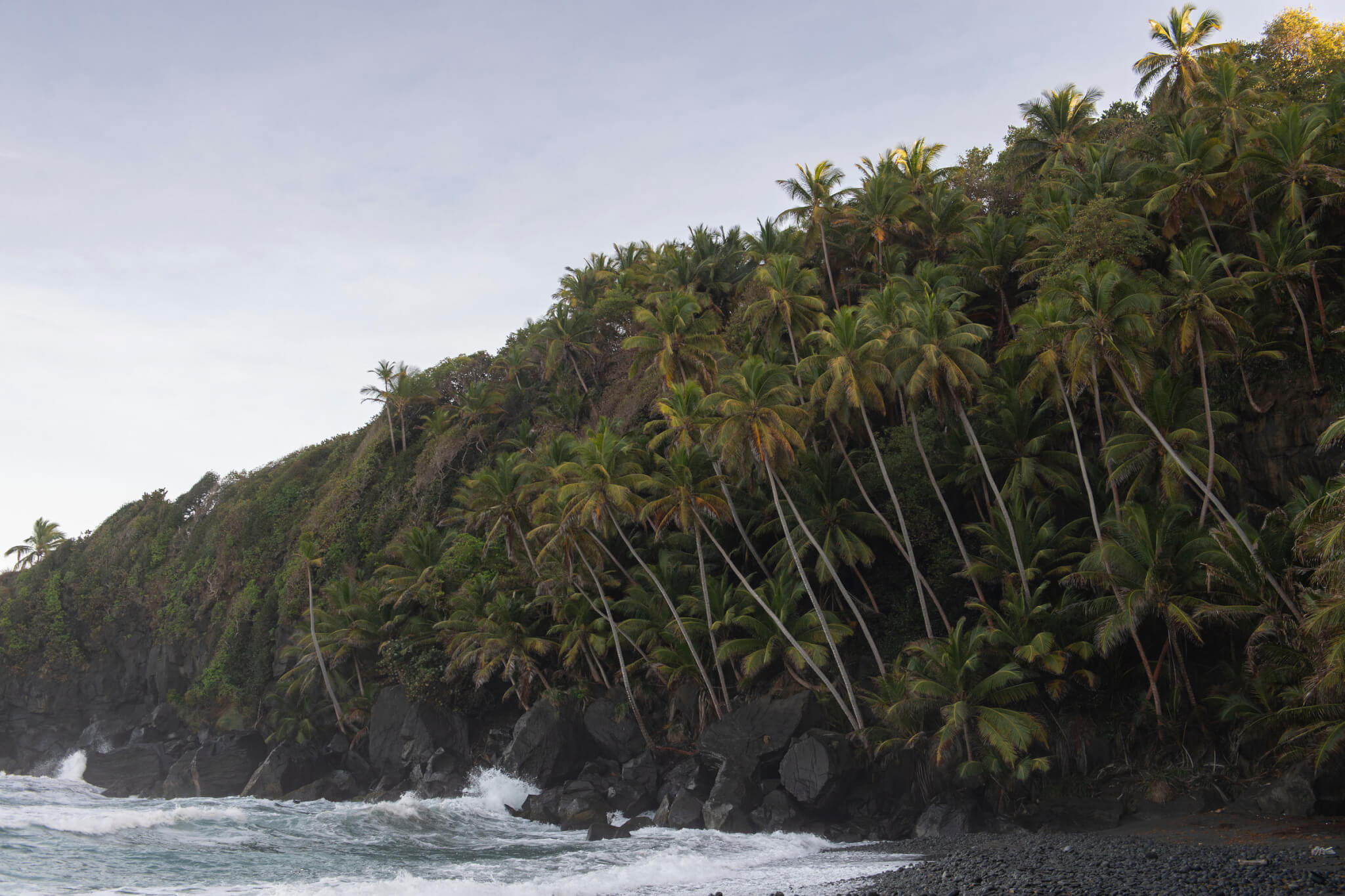
St. Vincent is the volcanic mainland that anchors Saint Vincent and the Grenadines, rising from leeward fishing towns to the clouded slopes of La Soufrière. Kingstown concentrates markets, harbour traffic, and the oldest botanical gardens in the Western Hemisphere, while the windward coast keeps black-sand coves, rock tunnels, and salt ponds that still shape local stories.
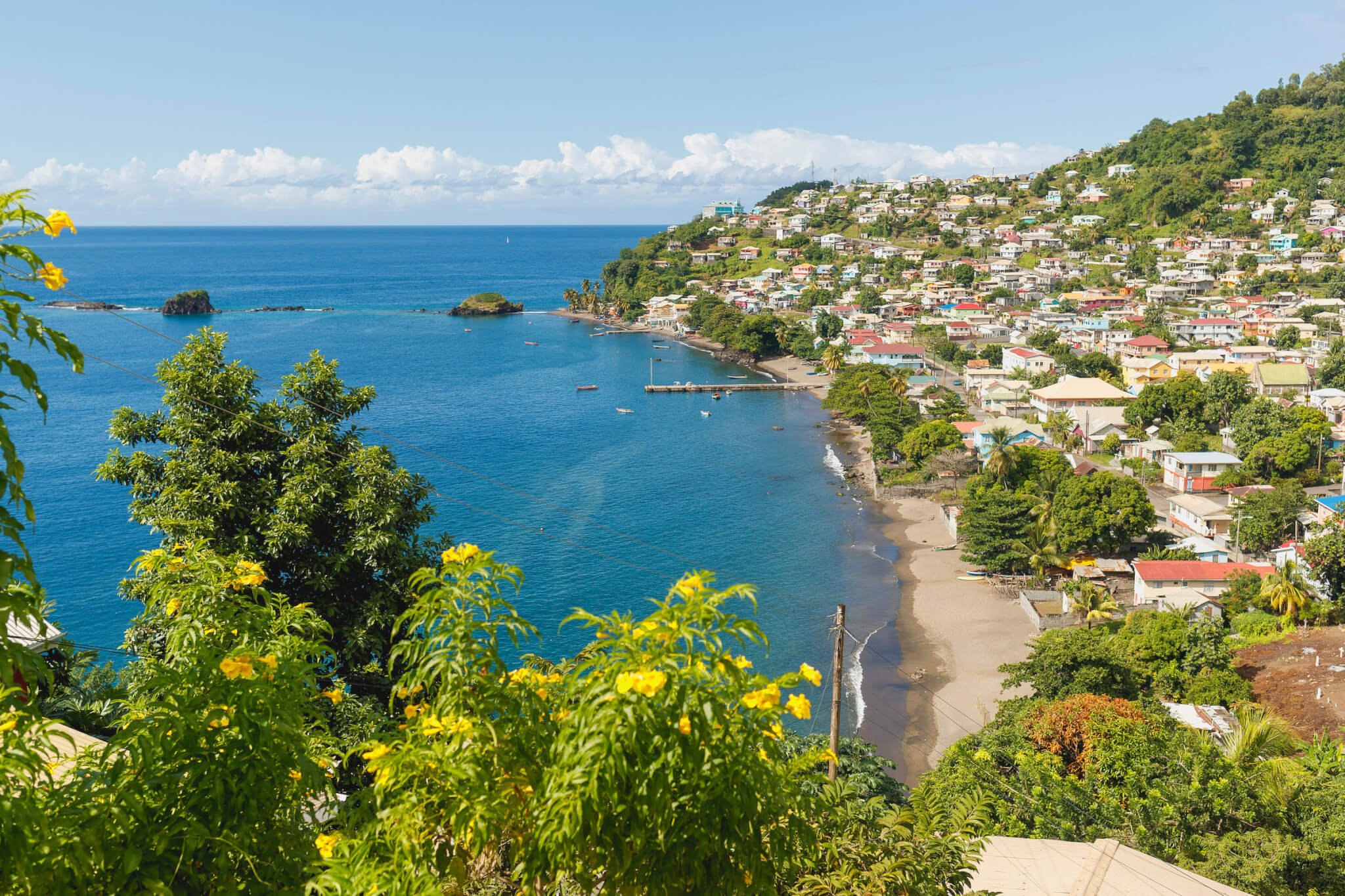
Visitors often orient themselves around three landscapes: the capital’s waterfront and garden corridors, inland routes that climb toward crater viewpoints, and quieter leeward villages where fishing boats define the day’s rhythm. Those landscapes reward walking, shade, and attention to mountain weather rather than a resort checklist.
Getting there for most international travellers means arriving at Argyle International Airport on the windward side, then continuing by road into Kingstown or along the coast. Inter-island hops continue by ferry and light aircraft toward Bequia and the southern Grenadines. This page never lists carriers, times, or fares.
A demonstration inland day might begin in the market for breadfruit and fresh fish, continue into the botanical gardens, then travel north for a guided look at volcanic terrain before a waterfront supper. Another fictional outline swaps the volcano for Black Point’s tunnels and Owia’s salt pond, emphasising geology and shoreline.
Practical notes are simple: carry water on warmer stretches, expect sudden showers on windward climbs, and treat rocky entries with care. Local buses and shared taxis link towns, but unfamiliar visitors should plan buffer time rather than invent a clock. Respect working harbours, school hours, and Sunday services.
St. Vincent’s cultural calendar peaks with Vincy Mas and Nine Mornings, yet everyday life is the steadier draw—market banter, steel pan from yards, roasting breadfruit. Demonstration itineraries may name fictional guides; they exist only to show complete destination articles for embassy stakeholders.
From the mainland you look south toward Young Island’s short harbour crossing and the inhabited Grenadine chain. That north-to-south reading organises Island Explorer. St. Vincent remains the logistical and cultural hub where volcanic identity, capital markets, and garden history meet before the water widens into cays.
Remember that lodging names, opening hours, transfer fees, and any timetable-like notes on this page are invented for embassy site testing and must not be treated as travel advice.
Around St. Vincent, Grenadine light shifts from hard noon glare to softer late-afternoon gold, so outdoor walking is often planned for morning and early evening even when every schedule on this page is fictional.
Trade winds, short ferry runs, and light-aircraft hops stitch inhabited islands together, yet each stop keeps a distinct shoreline. On St. Vincent, that character is what this article conveys without inventing prices or berth lists.
Public tourism messaging for Saint Vincent and the Grenadines emphasises quiet beaches, reef protection, and community festivals. This demonstration article echoes that tone while keeping operator details invented for portal testing.
Readers comparing St. Vincent with neighbouring islands should treat Island Explorer cards as orientation tools: taglines summarise patterns, while this long body explains geography and visitor rhythm in fuller prose.
If you share this page in a stakeholder review, keep the fiction banner visible. Layout reviews need realistic length; later Editor-approved copy will replace these demonstration paragraphs without changing routes.
Reef-safe sunscreen, drinking water, and modest clothing for village walks remain sensible habits across the chain. On St. Vincent, those habits matter more than any invented packing list tied to a branded outing.
Weather windows matter more than clock times in the Grenadines. Squalls pass quickly; seas can rise on windward approaches. Demonstration copy never pretends to forecast the day you travel.
Around St. Vincent, Grenadine light shifts from hard noon glare to softer late-afternoon gold, so outdoor walking is often planned for morning and early evening even when every schedule on this page is fictional.
Trade winds, short ferry runs, and light-aircraft hops stitch inhabited islands together, yet each stop keeps a distinct shoreline. On St. Vincent, that character is what this article conveys without inventing prices or berth lists.
Public tourism messaging for Saint Vincent and the Grenadines emphasises quiet beaches, reef protection, and community festivals. This demonstration article echoes that tone while keeping operator details invented for portal testing.
Readers comparing St. Vincent with neighbouring islands should treat Island Explorer cards as orientation tools: taglines summarise patterns, while this long body explains geography and visitor rhythm in fuller prose.
If you share this page in a stakeholder review, keep the fiction banner visible. Layout reviews need realistic length; later Editor-approved copy will replace these demonstration paragraphs without changing routes.
St. Vincent
Paths through the historic botanical gardens near Kingstown
Coastal cliffs and dark sand near Black Point on the windward shore
Fishing boats and shoreline buildings in a leeward coastal town